Description
(This product is a prototype)
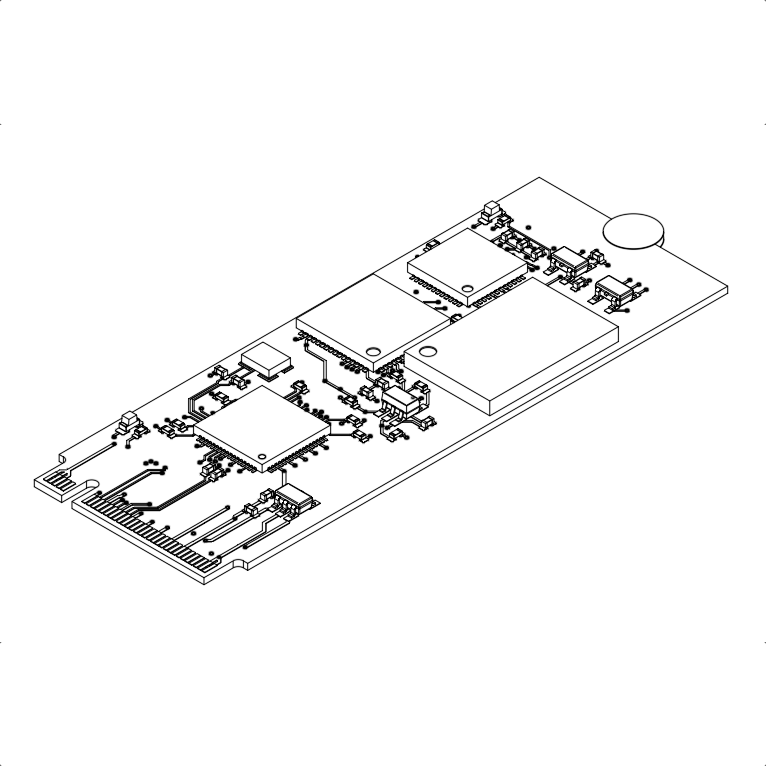
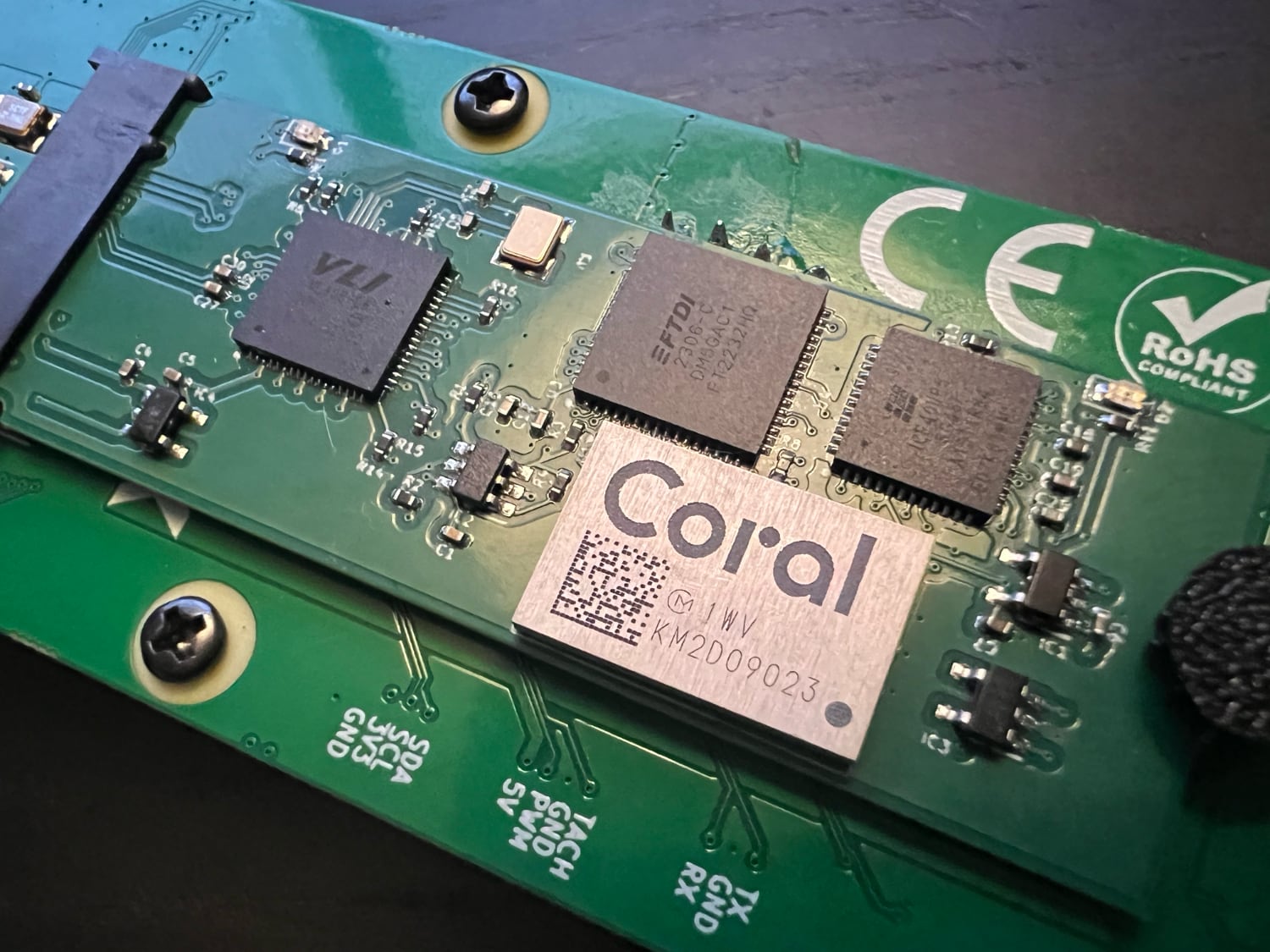
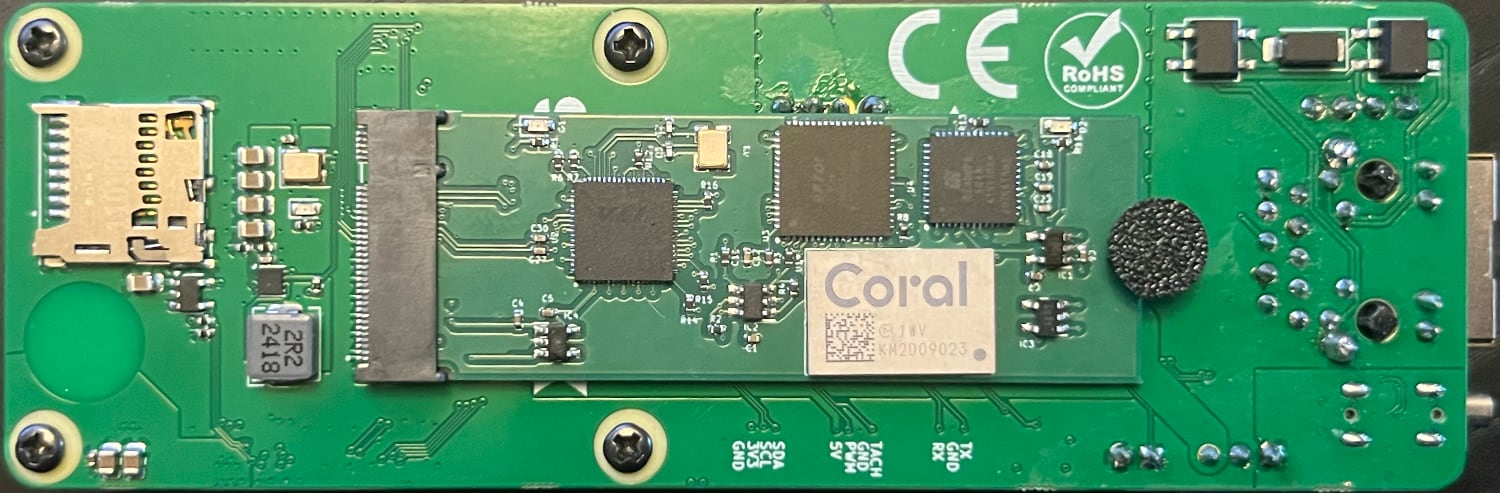
This M.2 2260 board is a highly integrated expansion module designed for advanced embedded and edge-AI applications that require both flexibility and performance in a compact form factor. At its core, the board combines a PCIe-to-USB controller and an FTDI USB interface to provide robust host connectivity, configuration, and debug capabilities. This architecture allows the module to present multiple logical interfaces to the host system while simplifying integration into platforms that support standard M.2 slots.
A Lattice iCE40 UltraPlus FPGA is included to deliver low-power, deterministic, and customizable hardware logic. The FPGA acts as a coordination and control layer between peripherals, enabling real-time signal processing, protocol handling, and system glue logic. Its Serial Peripheral Interface (SPI) input allows external devices or the host system to directly configure, control, or stream data into the FPGA, making it well suited for custom workflows, rapid prototyping, and application-specific extensions.
Complementing the programmable logic, the on-board Google Coral accelerator provides dedicated machine-learning inference at the edge. By offloading AI workloads to the Coral chip, the board enables efficient, low-latency inference for vision, audio, and sensor-driven applications while freeing host CPU resources. Together, these components operate in conjunction to create a versatile M.2 module that blends high-speed connectivity, reconfigurable hardware, and AI acceleration in a single, space-efficient design ideal for industrial, research, and product development environments.